We’re back home and (mostly) rested up. Laird is preparing photos — I will try to limit the number we post — and I want to talk about our last, greatest meal at Ballymaloe House, a country manor and estate, now an inn and the restaurant, and farm, that inspired Ireland’s food renaissance. First we went to tour the Jameson distillery, actually very interesting and I got a bung for a souvenir. But we are definitely not Irish whiskey folks — though our free Jameson’s, ginger ale and lemon was mighty fine (not that I see a lot of point to buying very expensive whiskey and mixing it). But, oh, my, Ballymaloe — google it — a 5-star YUM! for a 5-course dinner: first course, I had chilled Lebanese cucumber soup and Laird had Galia melon, pomegranate, grape and lemon verbena cocktail and a garden leaf salad; for second course, Ballymaloe hors d’ oeuvres, we were taken into another room with a two-tiered table set with a feast of choices, and I don’t remember what we had, but let’s just say that our little plates were full with trying almost everything on offer! These courses were served with the most delicious white wine in memory — and I am not usually a white wine woman. For entree, Laird had pan-seared west Cork scallops, fennel puree, red pepper, caper & chervil salsa and runner beans. I had Ballycotton John Dory (a fish), grenoble butter, spinach and romano beans. I should have stuck with the white, as proper, but I wanted to taste the red and it was magnificent. This course was served with Kingston’s organic potatoes with savory butter for the table. Next was the cheese course — Irish cheeses served with Membrillo and Ballymaloe cheese biscuits. And then came the Ballymaloe sweet trolley. Just as it says, a wheeled cart filled with desserts, mostly chocolate, which was lucky for me because I was stuffed and I can pass up chocolate. Laird cannot. Everything was beautifully prepared and presented and came with exquisite mouth pleasure. This whole trip was eating amazing food and meeting some of the people who produce Ireland’s food. I’m telling you, you really need to look at going on one (or more) of Kris’ culinary tours! She finds the very best of whatever it is on offer. And, yay, I have reconsidered and think I might have a poem from the trip! We’ll post pics soon — thanks for joining our adventure
Three posts for 9/15
15 SepWe’re all dressed up, ready for high tea, Jameson’s and Ballymaloe. This means that I have worn almost all the clothes I packed and hauled around Ireland — YAY! I keep swearing I will pack less, and, actually, I think I did, but there is still a vast amount of room for travel improvement. Oh to be one of those people who pack everything in a carryon! Two posts below.
Last day, catching up
15 SepNext day (Wed 9/13) , we had our last great breakfast — Kris, wonderful chef and travel planner extraordinaire, made us gorgeous b’fasts every morning and what she called “snacks” and I called dinner every evening (with fantastic wine, of course). One last huge, heartfelt hug with my friend Judyth, our poetry guru, before she left to taxi to airport. We all dragged our suitcases outside and Dave, our lovely driver, loaded them and us and we waved a sad goodbye to the Manor. And to the sunny weather we had mostly been having. After dropping off folks at train station, our smaller band of five looked ahead to more of the Burren and Cork. The farm I told you about above, is a 500 acre beef farm that has three archaeological national monuments. Cathal and Rona were lovely people — like all the folks we interacted with — excited to tell us about their farm and what they do and how they do it. We rode around to a couple of spots, one of the monuments, which they use for weddings sometimes — but, the rain dampened our desire for tramping around. On the road again, we toured a woolen mill (really a weaving shop), VERY interesting, and stopped at a chocolate factory, but that day was a chocolate packaging day so we didn’t get a tour, though we did get some chocolate. We arrived in Cork after a very long trip and later than expected — rain and time-on-van did not encourage the use of “free evening” time. Ramona, Marti, Laird and I just went into the bar for light dinner (mussels and soup for me, and Irish gin, of course. Laird ordered the mushroom croquettes, but had to relinquish the last plate of them to Marti and ordered somewhat indifferent “prawns””) and hit the lovely beds.
Up and at’em next morning to drive to Kinsale, the gourmet (gormand?) capital of Ireland (Cork is known as the culinary capital of Ireland) First stop, a fairly well-maintained ruin of Fort George (most walls remain, but no roofs except for exhibition building and a couple others), a 17th century star-shaped military fort on the headland into the Kinsale harbor — Fort James is on the other side. It was built on the ruins of earlier fortifications and was one of the largest military forts in the country, built in 1677-1682. Our driver said something about the Jacobite rebellion (mostly Scotland, but Ireland supported and sent fighters to France, which also supported (how not, given France’s inclination against England?)). It also played a role in the Williamite War in 1690 and the Irish Civil War of 1922-23. Charles Fort remained garrisoned by the British army until 1922. Gorgeous location!
Ohhh, Kinsale, what a beautiful town, narrow windy streets. Sometime in recent memory, the city wanted to spruce up things so it gave away paint to shop and home owners, so buildingscapes are very colorful. We met with Valerie, our guide for a walking tour; first stop, to get an Irish coffee. We stopped at a yummy bakery and had samples of their breads and then went to Fishy Fishy, famous Kinsale restaurant, which might have been started by the chef who started the whole food scene circa 1999. Seafood platters for everyone! Sea vegetable salad (or I think it was; it might just have been land salad), the yummiest fish pie (I wanted more of that!), indifferent sushi (Japanese would have been appalled by the gummy rice), salmon (always good in Ireland, I believe) an oyster and somethings I don’t remember. Luckily, the van was near at hand and we loaded up and started back to Cork. But one more stop, a mead distillery. That was very interesting and nothing like what I drank once a fair while ago that was sold as mead. We had a honey tasting and then went through the steps of making mead and ended with a mead tasting. I have the card of a distributor that ships to US, so I might get some. We tasted four, two reds and two whites — their color comes from the oak wine casks they are finished in (merlot for reds and sauterne for white). We tasted Kinsale Wild Red, our favorite; Hazy Summer, also a red; Atlantic dry and Irish Wildflower, the whites. The problem with mead is that it doesn’t last long; once opened, it goes off a bit after a few days — he said like wine, but I cork and keep red wine for much longer than he talked about, so I don’t know. Obviously, it’s a bit expensive because they have to buy honey (all from Spain except Irish wildflower (my choice of whites, I think), which comes from Ireland and is made in very small batches) — and, for me, it would never take the place of wine or gin, so I’d have a couple of small glasses, share with whoever was around at the time and that would be all I’d be interested in. But, still, I might order some because he was a lovely man. He and his wife lived in ABQ for awhile; he didn’t say why — one of his daughters was born there.
Raining too much and too much walking so we all agreed to skip walking around the ruins of Tiimoleague Abbey — and, really, once you see Kylemore Abbey, why tromp wetly around another?
Laird will tell you about the walking tour of Cork — I stayed back because my body is pretty wrecked and I have started dreading the loooong bus ride to Dublin and the plane ride back to Dallas and home. But soon, we’re going to high tea and then to Jameson distillery and our last, our farewell Ireland, dinner at Ballymaloe, the farm and restaurant that inspired Ireland’s food renaissance. I’ll write about when we get back home.
Laird: I very much enjoyed the perspective and enthusiasm of Kerry, our walking tour guide. She is a visual artist who takes gigs as a tour guide. We did meet up with a dustbin removal worker (we know these fellows in the states as a garbageman) who identified himself as a visual artist specializing in building and landscape views of Cork and quickly shared his facebook page. I think I might like to look at some of his stuff. My photos are quite disappointing for two reasons: flat, gray skies so no shadows or highlights; and an incredible profusion of cars, people and overhead wires. I may have some pics I can work with in software. If so, I’ll mount them on this blog.
Overall impression is that Ireland is well on its way to transform the economy and will soar up the per-cap income comparisons. There is a very apparent entrepreneurial energy everywhere you look. Many of the people we have met have transitioned from employee status to entrepreneur. We may be cherry-picking, but I think this perception is real.
Me: I am inserting an advertisement here: Go google deliciousexpeditions.com — this is Kris Rudolph’s website and she does AMAZING, AMAZING culinary tours, some of which she combines with Judyth Hill’s poetry workshops (google eatwritetravel.com). This is the third one I’ve done, two in Slovenia and one here in Ireland — and I have also done a couple in Taos that are writing retreats with Judyth, with activities planned by Kris on off-writing times. I so very badly want to go to France, Basque country, Venice and Croatia with Kris! You cannot go wrong with any of the tours Kris does — and if you are or want to be a writer, you can’t go wrong with workshops or retreats with Judyth. Absolutely the best, both of them!
Where was I?
15 SepHave I told you about the Burren? Our next couple of days was all about the Burren. Limestone, limestone, limestone — no longer just a million rocks in every field turned into thousands of walls, but a million rocks PLUS. The Burren is a karst/glaciokarst landscape on the west coast of Ireland, part of the Wild Atlantic Way. The major habitats in the Burren are limestone pavements, orchid-rich calcareous grasslands, limestone heaths, scrub and woodlands, wet grasslands, turloughs (seasonal lakes), calcareous springs and fens. The limestone pavement is cut through everywhere with what I think our guide told us were “crikes”. And there are glacial erratics scattered all about. It has both artic-alpine and mediterrean plants, including gentian, lots of orchid types, maidenhead ferns. The whole area is a national park, with private farms (the few that still exist) in it. Farming plays a vital role in maintaining the Burren and without farmers the Burren as the Irish know it would cease to exist. Grazing cattle on the winterages ensures that the species-rich grass is grazed down to give the unique range of flora the opportunity to bloom each year. The EU tried buying up all the farmland and disallowed cattle on the winterages, which almost destroyed the Burren. At last, they came to their senses and reversed the grazing rule. But they still want to buy up all the farms in the area. We went to a cattle farm that father and now son have refused to sell. The first farmers on the Burren were early Neolithic (stone age, around 6,000 years ago)– they know they were there, but not much about how or what they did regarding farming — seems to have been small scale and transient; sporadic clearances, followed by abandonment and subsequent regeneration of woody vegetation. The cliffs of Moher are part of the Burren.
Our first excursion to the Burren was to watch sheep dogs work. They are trained to the whistle, but I noticed that the man also seemed to use hand signals. They all know their unique whistle names. I have a weird sensory thing, basically auditory hallucinations, so to me, some of the whistling translated into words — particularly when the same sounds were being repeated. There were three dogs showing off and one older dog who wanted to participate but was too slow to herd, but she watched with keen interest. One dog, about three, is still in training — she was so funny. She would frequently stop and turn to look at the man, like “what did you say?” He called her lazy, said she tried to get away with not doing the proper methods. He was having none of it and would make her do the maneuver correctly. Word to the wise: if you’re lazy, do it right the first time so you don’t have to work harder by having to repeat the exercise.
We all loved that and could have stood there watching them for longer than the demonstration. I was really sorry we didn’t get to pet them. Laird and I feel dog-deprived and want to pet everyone we see (well, not those little “Old Lady dogs” that are ubiquitous whether traveling or staying home).
Next, we went on the limestone pavement to the portal dolmen of Poulnabrone, a tomb built sometime between 4,200 BC and 2,900 BC. They are standing stones with a huge, heavy capstone — a marvel that, in a way far back time before heavy machinery, or even the wheel?, humans were smart enough to be able to erect such large boulders into place. Alas, we couldn’t go in or even get very close to it (it was roped off — probably a good thing considering how whacko stupid tourists are being these days, with carving their names in ancient edifices, bathing in centuries old fountains and breaking penises off statues.)
On to cliffs of Moher — it is as breathtaking as you imagine, though I think the view would be even more spectacular on the water.
On to somewhere for lunch; the restaurant was called Linnanes. Right on the bay, we ate prawns, scallops, crab, mussels and I’m sure I’ve forgotten something that was on the trays. Each tray had one oyster, but I was luckily gifted the one on the tray in front of me — it was the best I had in Ireland! Supposedly, according to the itinerary there were amazing desserts, but I don’t have any memory of sweets. Back home to Lisdonaugh Manor, our last night, which meant facing the horror of packing.
We’ve been very busy
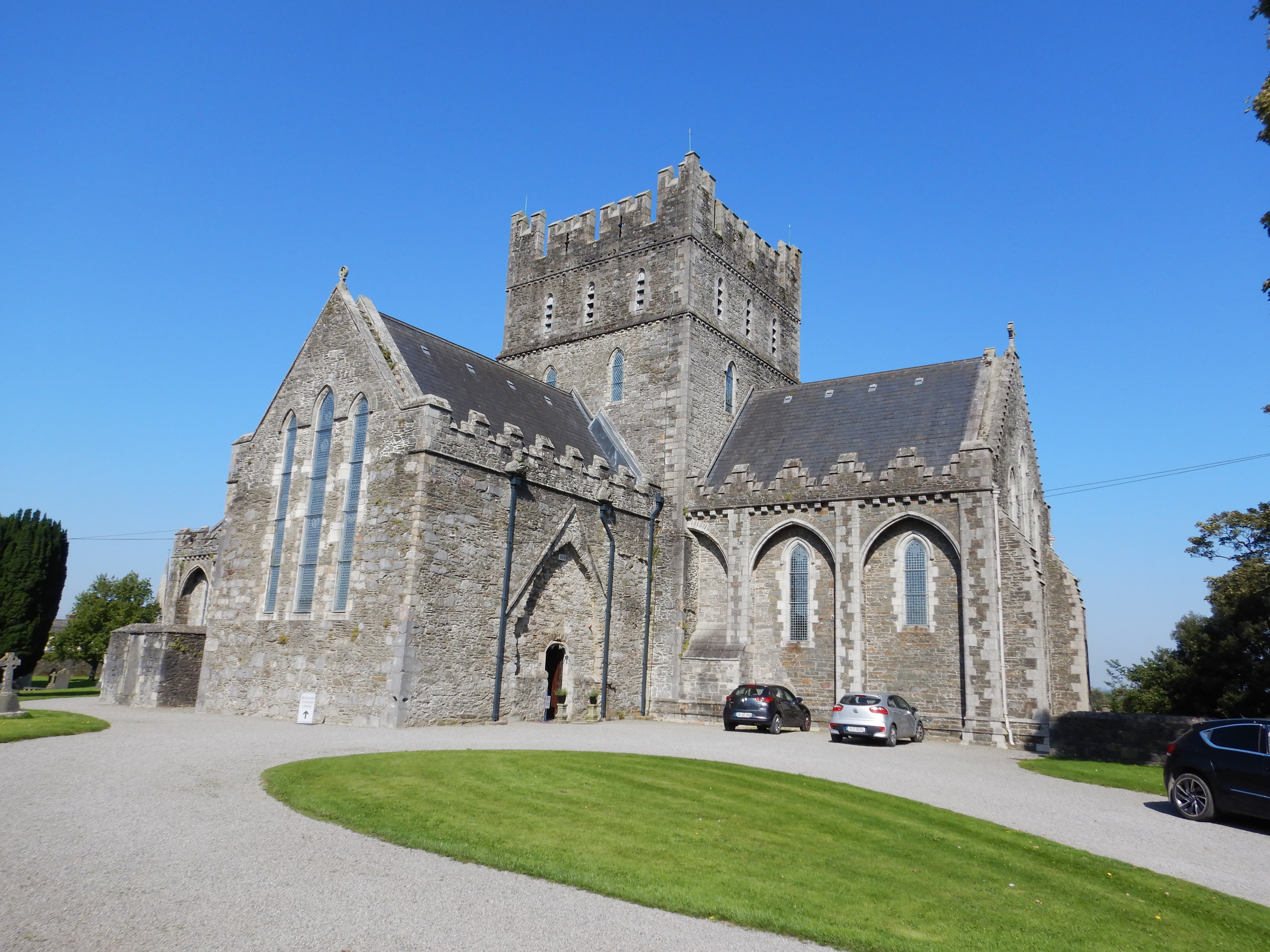
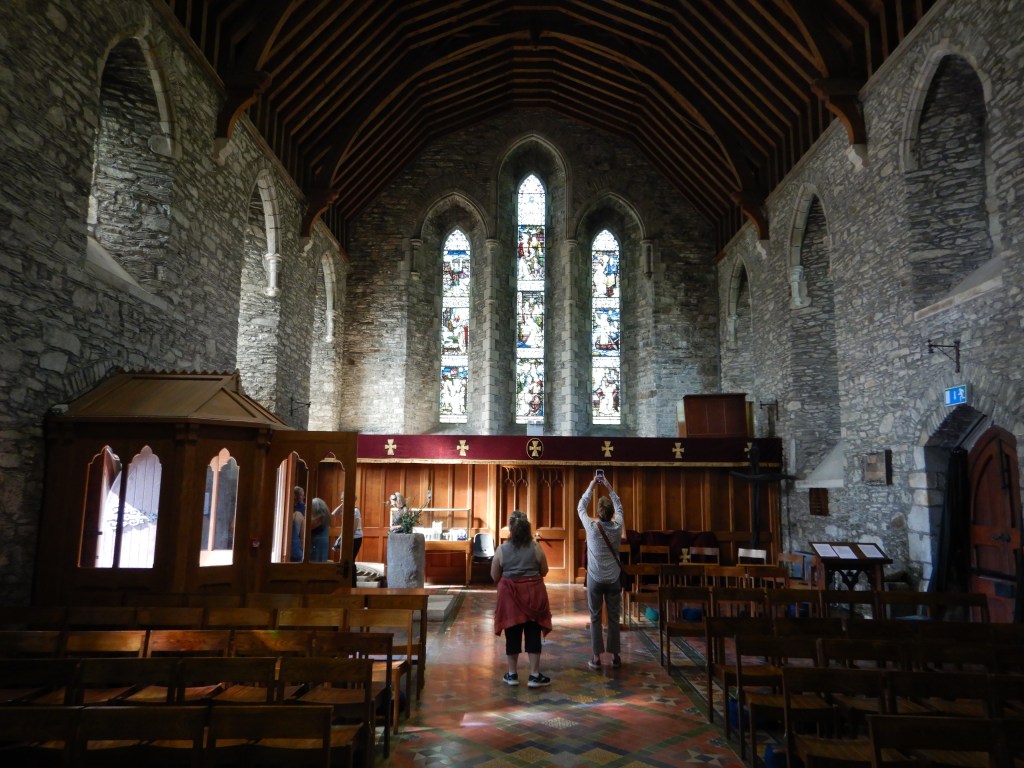
12 SepWell, we’re not in Dublin anymore. Since I’m so late writing this, we’ve seen three or four or five castles, starting with Drimmagh castle, a 13th century Norman castle still in Dublin, I believe. Actually, quite interesting and our guide was lovely. Then we traveled and traveled. We’re in a Mercedes small bus, basically big enough for all of us to have our own row. In Kildare, we went to St. Brigid’s Cathedral, which is on the site of the Celtic Christian abbey founded by her in the 5th century. Beautiful and interesting, but the story of Brigit to Brigid is the story of Catholicism taking over the Goddess — I have a particular dislike of St. Patrick, because his story is the story of the church destroying the Goddess (his driving the snakes out of Ireland). After a fabulous lunch of myriad Irish dishes, we drove to Kilronan castle where we stayed overnight. Google it — the height of luxury, just yummy; gorgeous grounds, beautiful rooms, great dinner. I sure wish I had booked a spa treatment!
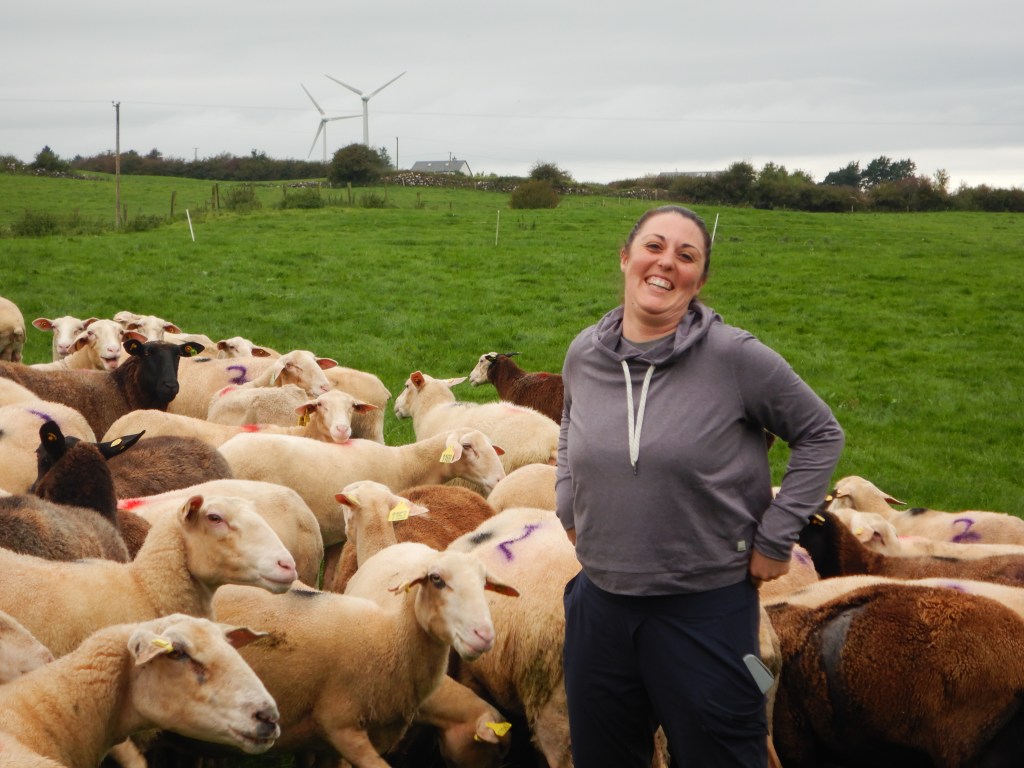
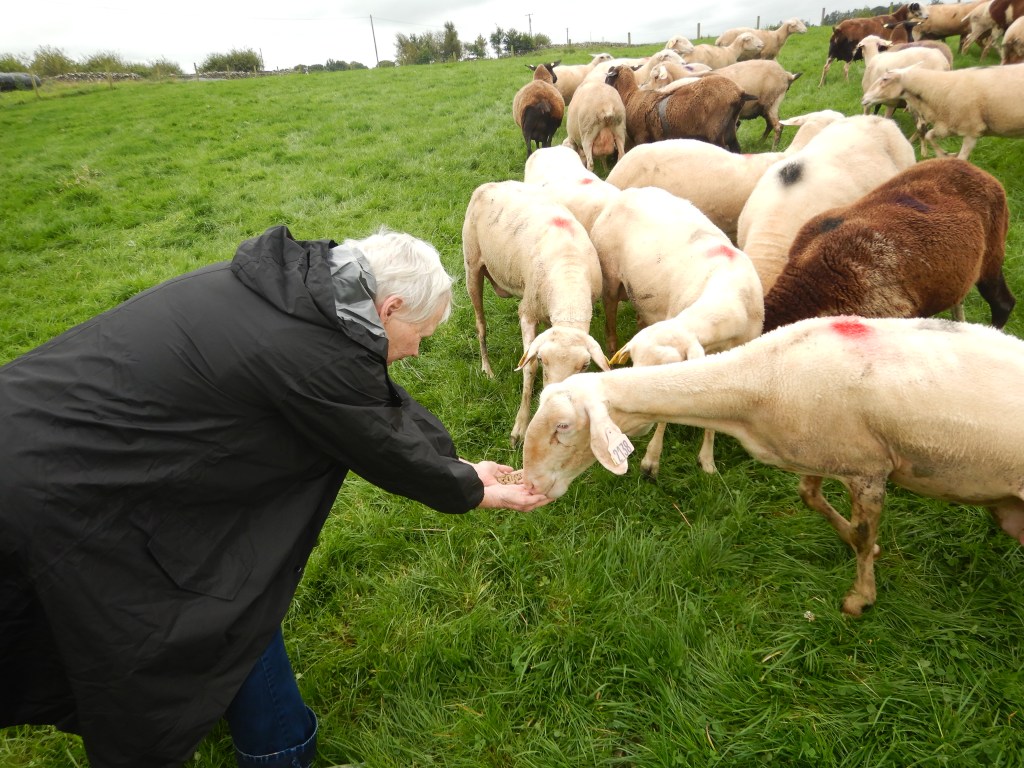
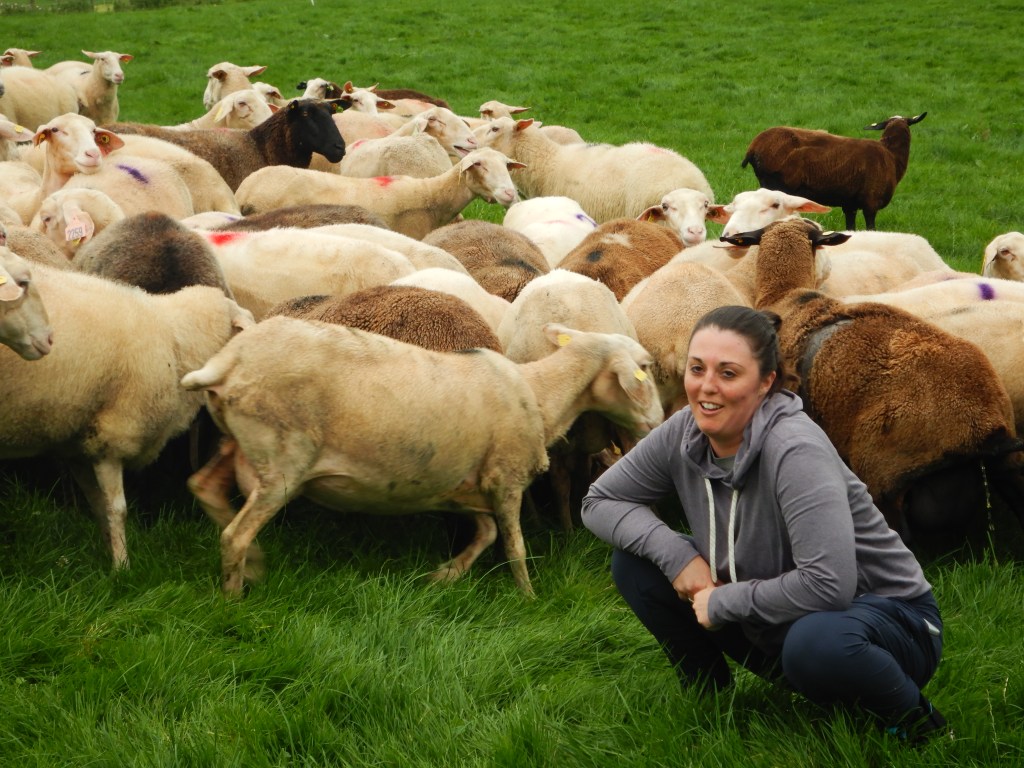
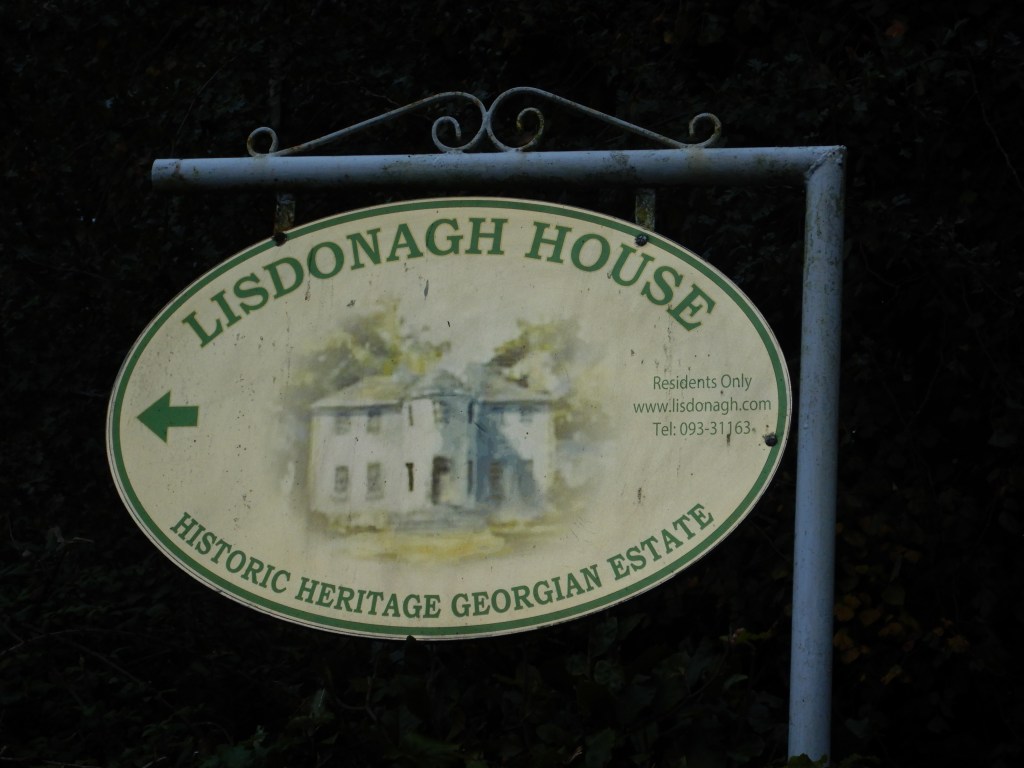
Up Saturday morning and back in the van for county Galway. Went to an oyster farm on Clew Bay, and then, oh, the eating of oysters! And the cakes and scones and more oysters. . . and about 45 minutes after that feast, we went to lunch. Of course we ate more! No one is surprised about that are you??? Then a tour of Velvet Cloud sheep farm, with — what else — more food! We tasted their sheep cheese and yogurt (the BEST yogurt!). My highlight was feeding the sheep — they were quite shy, but came running when our host poured some pellets on the ground; he gave me some in my hands and after a lot of hesitation, a couple of brave ones ate out of my hand, so softly delicate their mouths. More riding around Ireland (no direct route to destination because of various road closures) and we arrived late to Lisdonaugh Manor, where we’re staying for four nights. We have the whole manor house to ourselves and it is lovely, lovely. 9 bedrooms, drawing room, library, great kitchen, downstairs “den” — very swell! And now I have to go to class.
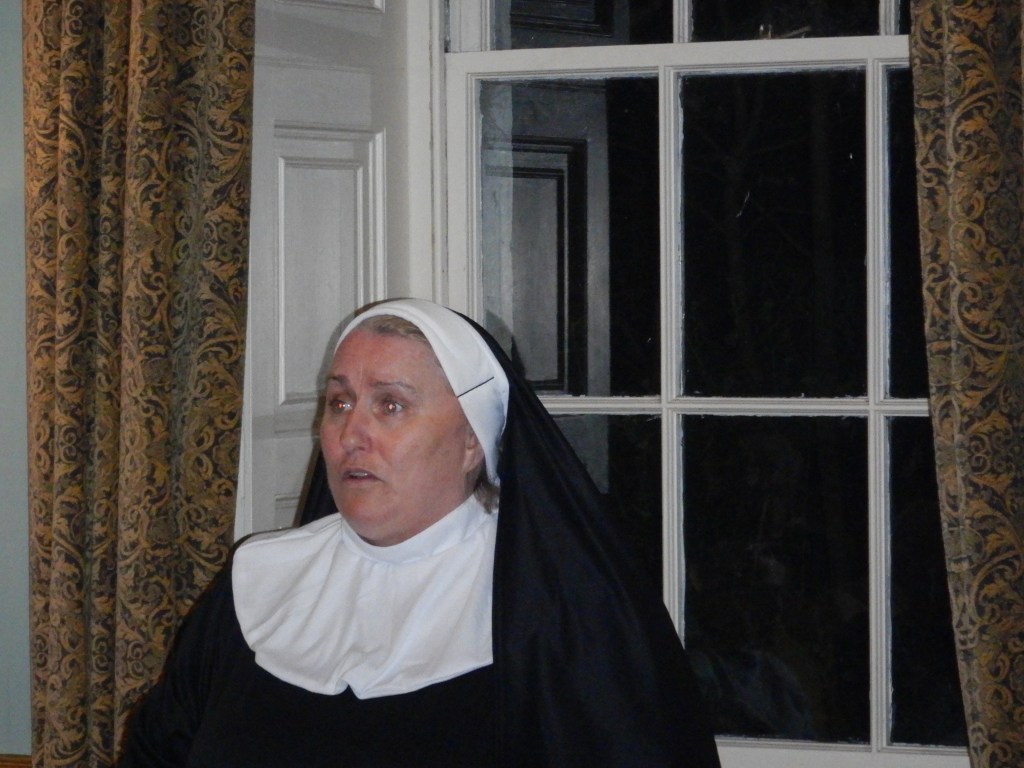
Our first evening at the manor, three women friends of Kris’ came from Cork to stay overnight. OMG, they were funny — I haven’t laughed so hard in awhile, tears-streaming-down-the-face laughter. And they know every Broadway song and practically any other genre of song — wow! What a fantastic night that was! Louise did a performance for us as a nun that was hysterical.
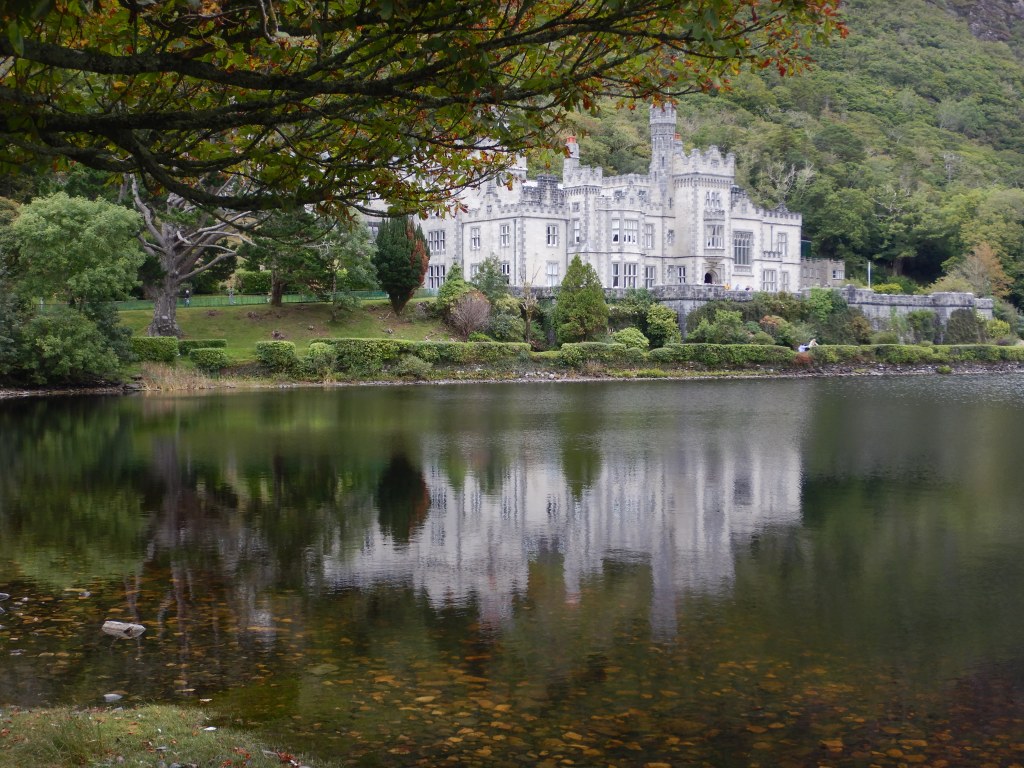
On Sunday, we went to an abalone farm to learn about them, but most especially, about seaweed and its deliciousness. Salad, something else, and seaweed spaghetti. And a seaweed cookie, too. The dishes were so delicious — the most amazing, though, that they really need to figure out how to make commercially was sea lettuce chips (basically tempura’d). Oh my god, so addictive — we demolished a big basket in no time at all and kept hinting for more, but to no avail. Then off to Kylemore Abbey, a Victorian castle that is now home to chocolate-making nuns — full habited Benedictines, though it was Sunday so we didn’t see any of them, alas. We also didn’t have time to tour their gardens and greenhouses. They make the sexiest chocolates! one with gin and something, one with an Irish cream liqueur that they make (better than Bailey’s!). The house was wonderful — originally 70 rooms, 30 of them bedrooms (my kind of house!), after the original owners, a duke and American heiress duchess bought it, then the nuns came from Belgium at the beginning of WW1 and bought it, took out a mortgage — I forgot to ask how much they paid or what the monthly payments were. They started a girl’s school and they were not the cliched Horrible Nuns; isn’t that great? Fire in the 1950s, so they closed the school. Currently there are 14 nuns, but Benedictines travel around a lot, so they get nuns from other houses for awhile. They are a semi-contemplative order, but they do talk. As I understand it. P.S., all these places, you should google them! It is the most beautiful place imaginable — the castle, the setting. . . makes me want to be a nun. But, their motto is work and pray — not really my thing, I think. This night, we had a Seamus, a storyteller, to entertain us. He was quite good, but his voice was soft, so I missed a whole lot of the stories.
Dublin was HOT, the west was cooler, but still sunny and warm. Today, it rained. Really rained, not that “Irish mist” kind of rain. And turned kinda chilly. We went to yet another castle, this one 16th century, and visited Brigit’s Celtic Garden, laid out on the Celtic calendar — even in the rain, it was lovely and fragrant (Ramona told me that part; I lost my sense of smell in menopause). On to Galway City for, yes, another meal: lunch. As usual, family style with several courses — chicken, salmon, beef, potatoes (of course potatoes, three or four different ways) and a frangipani pistachio tart with the most amazing whipped cream I’ve ever had. We walked around, but gloom and rain didn’t really inspire Laird and me to do much, so we whiled away time in a pub before the van came to pick us up. Home for class and dinner (Kris keeps saying it’s just snacks) of salad, cheeses, olives, crackers, salmon, yogurt, salami, bread and delicious wine. Some of us hung around and talked about ghosts, ouija boards and other paranormal stuff, because why not scare ourselves in an Irish Georgian country manor house??? No writing, but a fun time anyway.


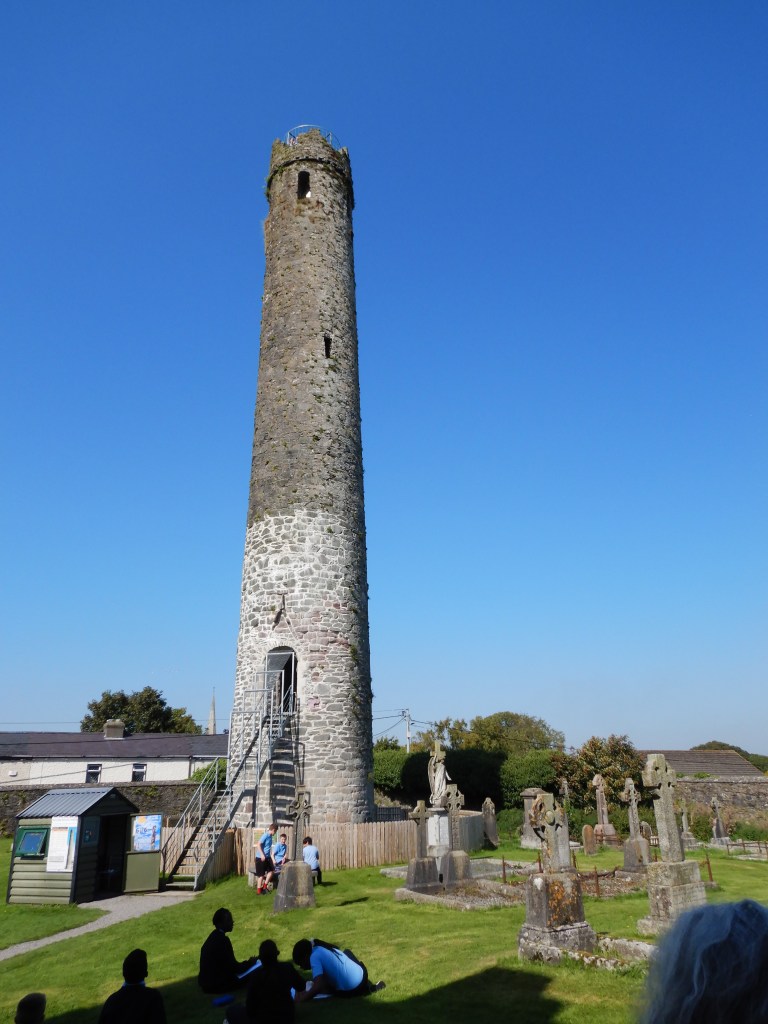
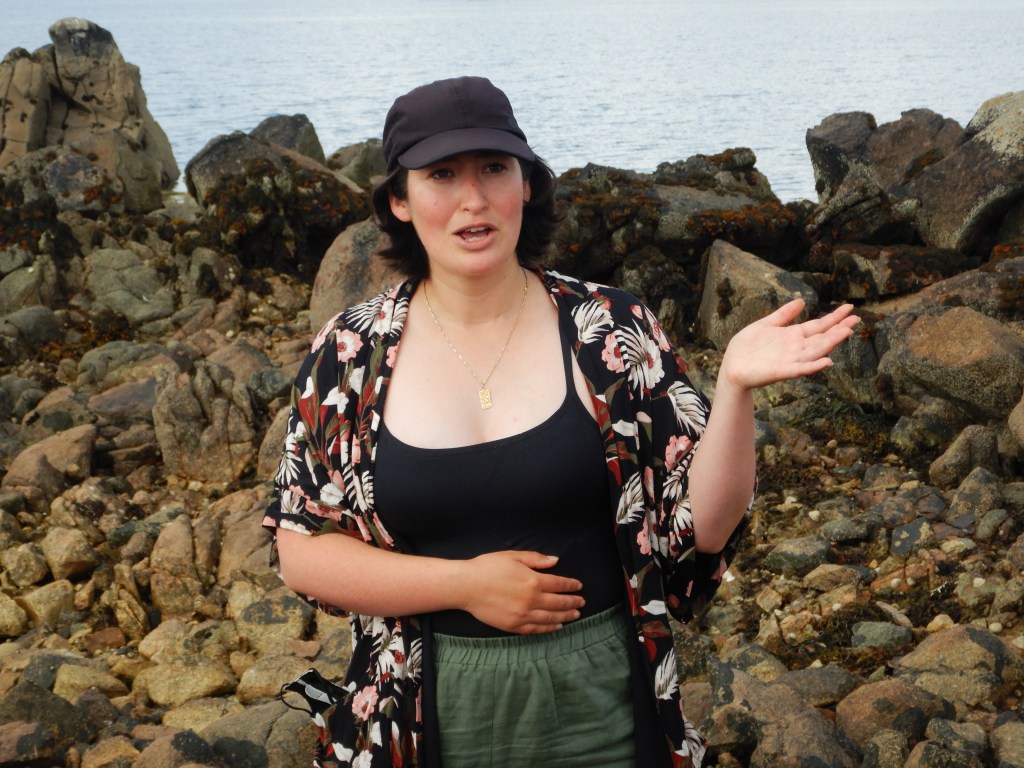
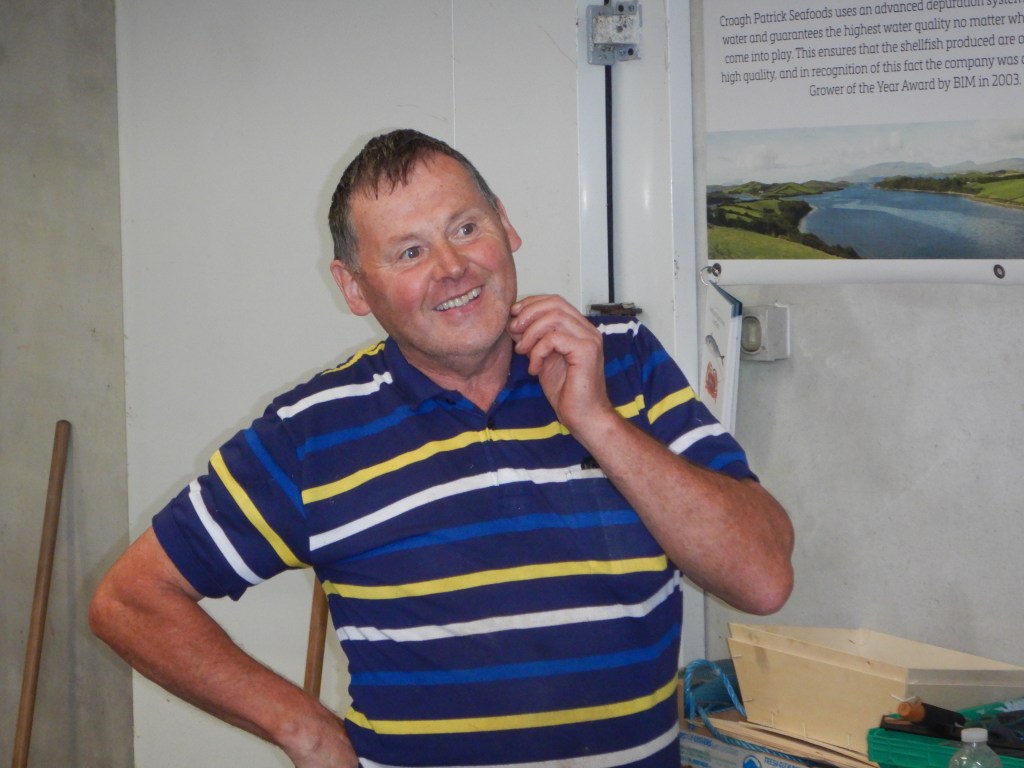
Ireland and Poetry
7 SepHello, Again after a very long time. We are traveling again — YAY! Ireland for 12 days, I for poetry workshop with my friend Judyth Hill, Laird for enjoyment — though not like mine isn’t enjoyable. Our friend, Ramona, is also making the trip. We flew on Labor Day, overnight from Dallas; easy trip and I got to watch Guardians of the Galaxy (very funny); a short Irish film, An Irish Goodbye:
“Northern Ireland film An Irish Goodbye won best live-action short film at Sunday night’s ceremony. The film is a black comedy set on a rural farm in Glenmornan, a small hamlet west of County Tyrone in Northern Ireland. It follows two brothers, Turlough and Lorcan, who are estranged.”
And another one was Australian, Blue Back, made in 2022:
“Follows Abby, a child who befriends a magnificent wild blue groper while diving. When Abby realizes that the fish is under threat, she takes inspiration from her activist Mum, Dora, and takes on poachers to save her friend.” Did you know that grouper are very large and they live to be in their 70s (assuming they aren’t caught and eaten). A lovely, sweet movie.
Not like flying to South Africa, which takes 6-7 movies and a TV show, so that if you fly there and back in one month, you’re sucking hind teat for entertainment on the way back.
All worth watching if you can find them.
We finally got to our hotel after a comedy of errors with the address. We are staying at the Pembroke Town House on Pembroke Road. And we came to the right street but we had wrong number, so couldn’t find it; taxi took us to Pembroke House on Pembroke Street. Those people were very confused because they are not a hotel. They figured it out, called us another taxi and we returned to Pembroke road. I want to point out that practically every building in Dublin has many outside stairs to get to the front door. That meant two trips up lots of those stairs and one trip down, lugging luggage.
First order of business after then lugging luggage to our room, find an old pub and have fish and chips and a Guinness (well, Laird and Ramona; I had Irish gin with tonic) — so off we went, found the place Ramona wanted to go to. They were very happy with their stouts, but we all were disappointed with the fish and chips — Ramona and I left most of ours; Laird soldiered on.
On Wednesday, before meeting the writers, we went around Dublin on the Hop-on Hop-off, had lunch at a nice restaurant (yum, local salmon in a poke bowl for me; Laird with a weird looking open-faced shrimp sandwich), then hopped back on to get us as near as possible to our hotel (which was not really very near) and walked back. After meeting with writers (there are 4 of us), we had wine and cheese with everyone — there is a couple originally from Arizona, who now live in San Miguel de Allende — who are with Laird and Ramona as nonwriters with Kris Rudolph, logistics star and culinary queen — we went to dinner at Brazen Head, Dublin’s oldest pub; someone said it started in the 1100s (could that really be true?!?).
Today, Laird’s group toured to various sites near the Liffey River, incl. Trinity university with a historian. The relationship of Cat O’Conner to the English/Protestant overlords is very similar to the current attitude of the Afrikaners to the Brits in South Africa. The Brits did not get humanitarian awards for their behavior in Ireland (or SA). We heard a lot from Cat about Wolf Tone and the 1798 rebellion and an equal lot about Michael Collins and the 1916 revolt. Collins signed the peace treaty of 1921 that made the republic of Ireland a dominion of the UK — somewhat far less of the self governing and independent nation the native Irish desired. The republic was not declared until 1949 — about the same time that India finally achieved complete independence. Grievance runs very, very deep. I had expected to visit and see the Book of Kells at Trinity and had printed out 24 of the most interesting illuminated pages from the website. However, we admired the buildings and were on our way, never to have seen the Book of Kells. Another tidbit of info. Power(s) is a very Irish surname. There was a ???? Power in the Laird family genealogy who arrived in the American colony within 50 years of the Mayflower. If this arrival was from Ireland, not directly from England, that could be the Irish connection. There is an Irish emigration museum, but one of our group visited and was disappointed. We decided that there might be better sources to one day explicate and inform this speculation. In any event, Cat confirmed my speculation that there were a bunch of Scottish Presbyterians who were recruited by Cromwell and allowed to immigrate to Ireland to help control (and oppress) the native Catholic (pejoratively — “”papist) population. Ramona and I also visited the National Museum of Ireland: Archeology Museum and were equally impressed as was Jonelle (below).
Lots of immigrants in service roles — we had a Ukrainian taxi driver and most of the staff at the hotel are not native Irish.
Back to Jonelle: We writers did a literary walking tour — our guide, Jack, was amazing. The tour included places and writings of Oscar Wilde, James Joyce and WB Yeats (he called him Willie; I’m going to too) — and we ducked into the archaeological museum to see the bog bodies, kings who had failed to bring good weather for good harvest so were tortured (their nipples were cut off — it’s kinda a long story) and killed and thrown into the bogs. Apparently, bogs are a good medium for mummification. We all regrouped for delicious lunch at Davy Byrne’s, AKA Joyce’s pub. I came home and Laird and Ramona went to the archaeological museum to see the bog bodies and more.
Tomorrow we leave for county Kildare to tour Drimnagh castle, visit St. Brigid’s cathedral and spend the night at Kilronan castle. Dinner will be at Douglas Hyde restaurant, the 2022 2nd place winner in Ireland’s gold medal awards for fine hotel dining. Yum.
I’m reading the Hired Man by Aminatta Forna (good book, I recommend it; set in Croatia) — here is a joke from it (I’m paraphrasing): a woman goes to a fortune teller, who tells her that she will be a widow within the year, her husband meeting a violent death. The woman is shaken. She gasps, clutches her heart and asks “Will I be acquitted?” Easy enough to find funny books (this one is not), but not too many tell jokes. It made me laugh.
If you got an email from wordpress that we posted, let us know, please. Thanks for reading
 lairdandjonelle